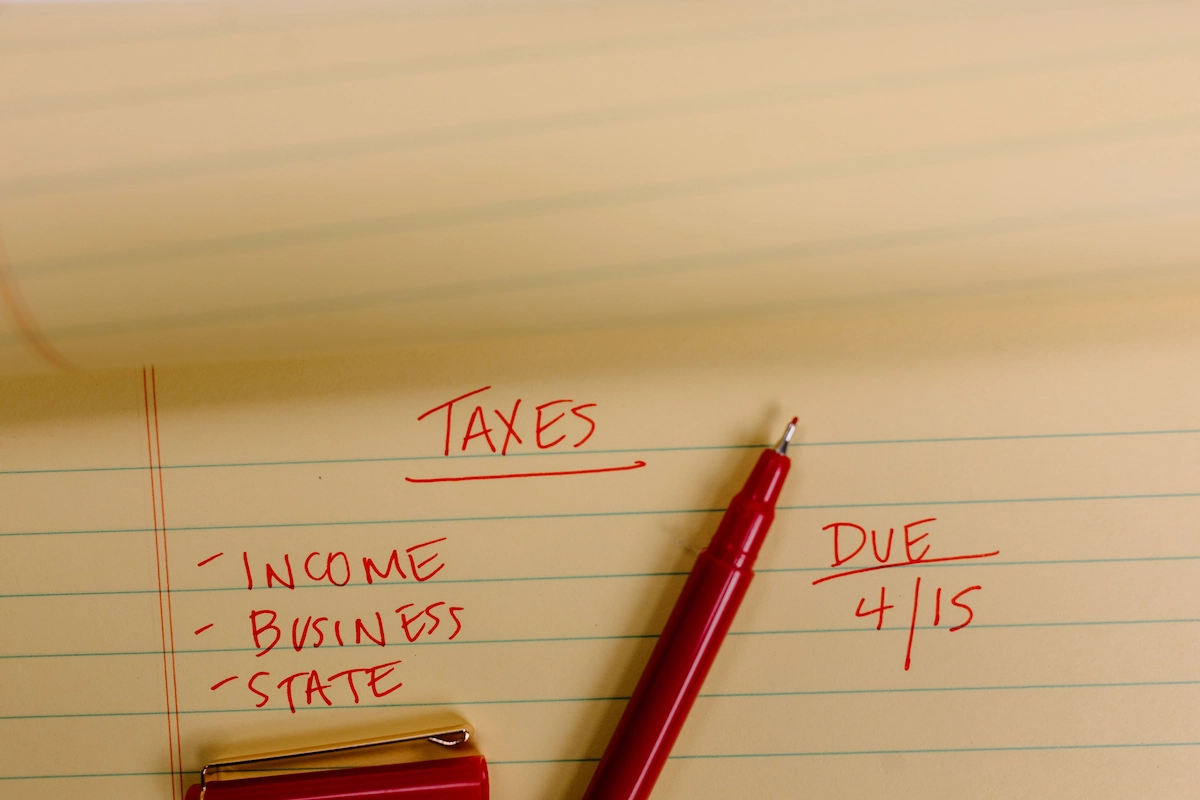
Five months into my first business, I got a letter. Not from a client — from the IRS, about a tax I didn't know I owed, for work I'd already done, in a payment structure I didn't know existed. I had talked to the SBA. I had done my research. Nobody had told me about self-employment tax.
What Self-Employment Tax Is
When you work for an employer, your paycheck has deductions for Social Security and Medicare — FICA tax. Your employer pays half; you pay the other half automatically. When you work for yourself, there's no employer to pay the other half. You pay both. Self-employment tax is currently about 15.3% of your net self-employment income — on top of your regular income tax. (Verify current rates with a CPA.)
The Quarterly Estimated Tax Issue
As an employee, taxes are withheld all year. As a self-employed person, you're expected to pay estimated taxes quarterly — four times a year, in advance. Miss them and you may owe a penalty on top.
What To Actually Do About It
- Talk to an accountant before you need one.
- Set aside a percentage of every payment from day one — in a separate savings account.
- Track every business expense; many are deductible.
- Don't wait until you're making "real money" to take this seriously.
Nobody hands you the list. That's the whole problem. Your Business, Built doesn't do your legal or financial setup — that part stays yours — but you get the list: what to have in place, in what order, and where to go for it. So the expensive-to-miss things don't get missed. Take the quiz.